To make mush in Probably Stolen, attach a liquid container to the Blender, put Dream Caps in the ingredient input, and press Start. The resulting Dream Cap Mush collects inside the attached container, so inspect its contents before moving on to another machine. Coffee Beans can also be blended into mush, while Dream Cap Mush is the starting intermediate for the extraction process that eventually produces Dream Dust.
Unlock Chemistry and identify your equipment
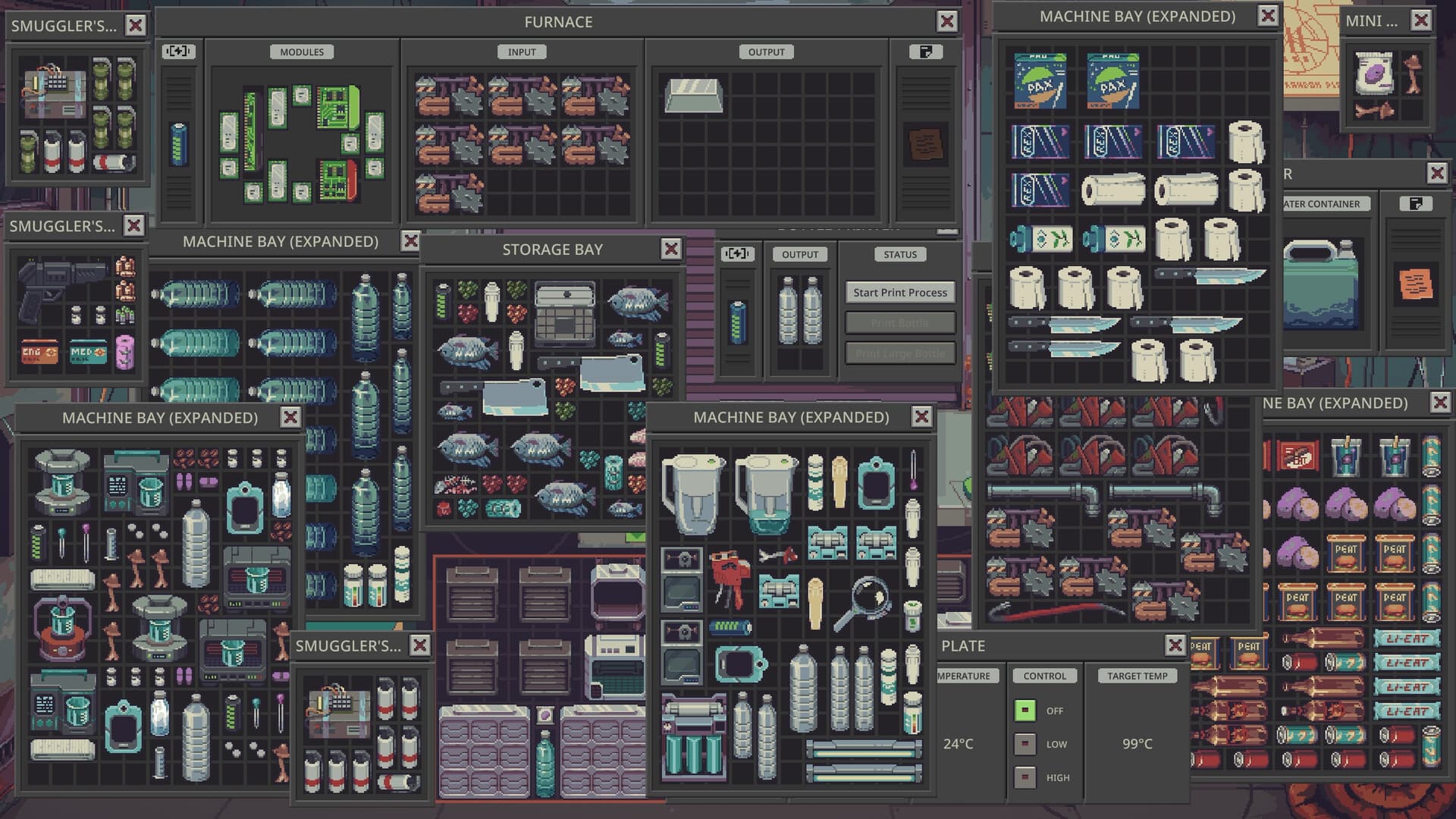
You can begin with Chemistry by choosing the Chemist specialization, or unlock it later by buying Retired Chemist from Wild for 1,000 credits. The starter equipment includes the Chemistry 101 Guide, Composition Spectrometer, Blender, Heating Plate, Evaporator, and Chem Finisher. It also includes droppers, measuring cylinders, Bottled Water, Common Chemical Supplies, Coffee Beans, a Water Pitcher, and Kotton Fabric, giving you both processing equipment and materials to work with.
The machines perform different jobs, so identify the Blender when your immediate goal is simply to turn plant ingredients into mush. The Heating Plate handles the later Dream Cap extraction stage, while the Evaporator removes water and Alcohol from the mixture. The Chem Finisher comes after those steps to package the processed material, and the Composition Spectrometer helps you inspect what remains before committing to further processing.
Make Dream Cap Mush in the Blender
Open the Blender and place a liquid container in the slot labeled CONTAINER, then put Dream Caps in the ingredient input. Press Start to process the plant material and collect Dream Cap Mush in that connected container. Before transferring it elsewhere, inspect the receiving container and confirm that it actually contains Dream Cap Mush, rather than an empty pitcher or an unrelated liquid.
The amount recovered depends on the material you process and the Blender's extraction loss, so raw input does not guarantee an equal amount of usable output. A starting Blender can have 35% Content Loss; treat that as an equipment attribute rather than a universal recipe yield. If your container contains mush but less usable material than expected, account for that loss when assessing the batch instead of assuming that pressing Start failed.
Extract Dream Caps before trying to finish the product
Dream Cap Mush is an intermediate: the documented sequence continues through Dream Cap Extract and dry extract before reaching Dream Dust. For extraction, move the container of mush to the Heating Plate and add Alcohol as the solvent. The Chemistry 101 recommendation reported in the guide is Alcohol equal to 3–6 times the mush volume, measured using the actual Alcohol content rather than the solvent bottle's total capacity.
Keep the Dream Cap extraction mixture between 40°C and 60°C, because heating above 60°C can begin breaking down the extract. A starting Heating Plate can show a target as high as 99°C, but that setting is not the extraction temperature this recipe calls for. Watch the actual temperature and use the heating controls to avoid crossing the upper limit, then inspect the composition if you suspect the mixture overheated.
Filter after extraction with Kotton Fabric
After the extraction stage, you can strain the mixture through Kotton Fabric to remove large contaminants before drying it. This filtration step is optional in the basic Dream Dust recipe, although reducing unwanted material can help when you are trying to improve the finished product's quality. It serves a different purpose from evaporation, which removes water and Alcohol rather than the large contaminants targeted by filtering.
A Steam community explanation specifically warns that Kotton and water filters remove plant mush while allowing plant extract to pass through. That explanation recommends extracting before filtering, so applying the filter directly to raw mush risks removing material you still need for extraction. Treat the explanation as community advice rather than an official rule, while keeping the documented recipe order of extraction followed by optional Kotton Fabric filtration.
Dry the extracted mixture in a powered Evaporator
Place the extracted mixture inside a compatible liquid container, connect it to the Evaporator's CONTAINER slot, and supply an Energy Cell before ending the day. The described starting Evaporator requires 6 Energy per day and processes the connected batch container overnight. It handles a single connected batch container at a time, so having several mixtures ready does not mean that the same machine will dry all of them during that night.
An overnight cycle does not guarantee that the mixture is dry, particularly when the batch is large or contains additional solvent. Use the Composition Spectrometer to check what remains, and continue evaporation when water or Alcohol is still preventing the material from meeting the selected recipe's dry-ingredient requirement. This check matters more than counting nights, because the material's remaining contents determine whether it is ready to return to the Chem Finisher.
Finish Dream Dust and interpret ingredient warnings
Once the extract is dry, move it to the Chem Finisher, open Configure, and select Vial of Dream Dust from the available recipes. Press Output when the recipe is ready, repeating while enough processed material remains for another vial. Each vial requires 2.00 mL of processed material, but that figure does not mean the finished vial contains the same volume of pure Dream Cap Extract.
If Wet Ingredient Detected appears, the current input has not met the Finisher's dry-ingredient requirement, so check remaining water or Alcohol along with the Evaporator's power and container placement. Batch size also matters because a larger volume can take longer to dry with the starting machine. Not Enough Reagent signals a different problem: the selected recipe lacks sufficient active chemical, and a large container volume does not establish that enough Dream Cap Extract remains.
Address losses at the stage that causes them
Extra evaporation cannot recover extract already destroyed by excessive heating, so use a Composition Spectrometer reading before evaporation to distinguish extraction damage from unfinished drying. Likewise, selecting Vial of Dream Dust in the Finisher cannot compensate for skipping the extraction stage. When a batch fails, distinguish missing extract from remaining solvent before repeating a process that addresses a different problem.
Equipment improvements target different limits: Blender extraction yield, Heating Plate temperature control, and impurities introduced during the Chem Finisher's final processing. Most chemistry machines use Chemical Equipment Modules, while the Evaporator uses normal modules that can affect energy efficiency and the amount of liquid processed each night. Because purity depends on the desired chemical's proportion relative to unwanted material, consider filtration, evaporation, and finishing impurities together when deciding which part of your workflow needs improvement.